On this page5 sections
Definition
Human general intelligence, as defined by Manuj Aggarwal, is the ability to think clearly, stay steady, learn, relate and act with judgment as demands change. It is a development framework, not an intelligence-test score, and not a claim that anyone's IQ has risen.
What is human general intelligence?
AI has changed the supply of intelligence more than the supply of judgment. A person can now borrow knowledge that once took years to gather. They still have to decide what to do with it. And they have to do that with colleagues, customers and counterparts who will not be moved by a paragraph that merely sounds right.
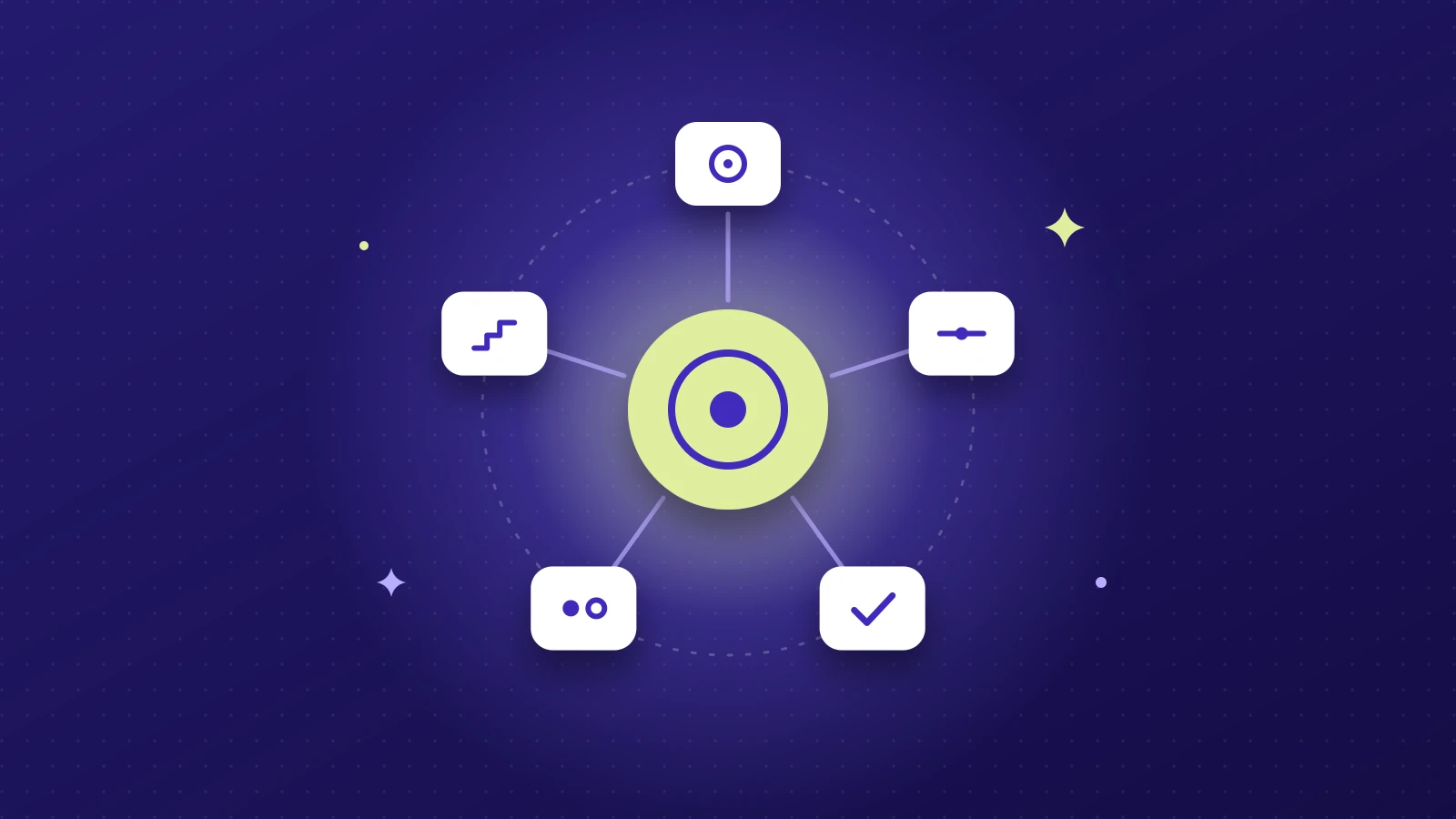
Manuj Aggarwal uses human general intelligence to name the human capacities that remain valuable when information is cheap: thinking clearly, staying steady, learning, relating to other people, and acting with judgment as the situation changes. Leaders who protect and practise those capacities will use AI as an instrument. Leaders who use AI as a substitute for that work will get more output and, often, poorer calls.
The five capacities, in plain words
| Capacity | What it looks like at work | What AI can and cannot do |
|---|---|---|
| Think clearly | Naming the real decision before asking for help | AI can list options. It cannot tell you which question matters. |
| Stay steady | Not accepting an answer just because it arrived fast | AI does not feel the pressure. You do. |
| Learn | Changing your mind when the evidence changes | AI can summarise evidence. You decide what it means for you. |
| Relate | Persuading people who will not be moved by a fluent paragraph | AI can draft the words. Trust comes from the person. |
| Act with judgment | Making the call and owning the result | AI cannot take responsibility for the choice. |
Why human general intelligence matters more now
Employers already rate these capacities highly. In the World Economic Forum's Future of Jobs Report 2025, the top core skills were analytical thinking, then resilience, flexibility and agility, then leadership and social influence. Those map closely onto thinking clearly, staying steady and relating.
The risk is that people hand those capacities to the tool. In a global study by the University of Melbourne and KPMG, 66% of employees who use AI at work said they had relied on its output without critically evaluating it, and 56% said they had made mistakes in their work because of AI.
- Employees who relied on AI output without checking it (KPMG and University of Melbourne, 2025)
- 66%
- Employees who made mistakes in their work due to AI (same study)
- 56%
- Employers who rate resilience, flexibility and agility a core skill (WEF, 2025)
- 67%
What it is not
Other writers use the same phrase for psychometric general intelligence, or for collective human intelligence. Those are different meanings. The meaning on this page is the development framework above. It is not an intelligence-test score, not a claim that anyone's IQ has risen, and not artificial general intelligence.
How it connects to the other terms
Intelligence inflation is the fall in the value of ordinary intelligence as AI makes cognitive work abundant. Human general intelligence is what still holds its value in that shift. Nervous system agriculture is the metaphor for cultivating the capacity to meet pressure with more room to respond. People who can turn abundant machine intelligence into decisions they still own are in a position to stay above the AI poverty line.
The practical method is described in the guide How leaders use AI for better judgment. To see how we build AI that keeps people in charge of the call, read how we work.
Sources
- World Economic Forum, Future of Jobs Report 2025, January 2025
- University of Melbourne and KPMG, Trust, attitudes and use of artificial intelligence: A global study 2025, April 2025
Questions people ask
What is human general intelligence?
Human general intelligence, as defined by Manuj Aggarwal, is the ability to think clearly, stay steady, learn, relate and act with judgment as demands change. It is a development framework, not an intelligence-test score, and not a claim that anyone's IQ has risen.
Is human general intelligence the same as IQ or AGI?
No. As Manuj Aggarwal uses the phrase, it is a development framework for human capacities (thinking clearly, staying steady, learning, relating and acting with judgment as demands change). It is not an intelligence-test score, not a claim of a rise in IQ, and not artificial general intelligence.
Why does human general intelligence matter when AI is available?
AI has made ordinary intelligence abundant and cheap. Human general intelligence names the capacities that still have to be practiced: judgment, steadiness, learning and relating, especially under pressure. See also intelligence inflation and the AI poverty line.
Can human general intelligence be developed?
Yes, that is the point of calling it a development framework. Each capacity can be practised: naming a decision before asking AI for help, pausing before accepting a fluent answer, and reviewing what happened afterwards. Nervous system agriculture is the metaphor Manuj Aggarwal uses for that cultivation.