On this page6 sections
You asked the tools to go faster, and they did. The reports arrived sooner. The dashboards multiplied. Your week got fuller, not lighter.
That is the pattern I keep seeing. People are not failing at AI. They are using it inside an old way of working. They take the new abundance and pour it into the same output: more analysis, more slides, more status. They get busier doing the work that used to prove they were valuable. Meanwhile the value of that work is falling.
I call this intelligence inflation.
Why intelligence inflation makes more output worth less
When something becomes too plentiful, a unit of it buys less than it used to. AI has made intelligence abundant. You can now get analysis, writing and options that once took a team a week. That is a real gift. It is also why ordinary intelligence is getting cheaper. If everyone can produce the same report, the report is no longer the scarce thing.
Here is the trap. A lot of capable people are still locked in the old paradigm. They use agents to create more reports and more dashboards, work that will be needed less and less in that form. They get busier and busier doing the same thing. The value of their intelligence deflates, not because they became less capable, but because they are spending it on the wrong things.
This has happened before
When agriculture began, the people who bought land became rich. The people who stayed in the field, working land they did not own, remained peasants. The skill of planting was not the whole story. Ownership was. Today the parallel is stark. If you do not own your intelligence, and the digital intelligence you are building, you will keep producing reports and dashboards for other people, and you will drift toward the AI poverty line: the gap between having access to AI and being able to turn it into meaningful value while keeping human direction.
The same pattern shows up whenever a new abundance arrives. When gold was found, the people who got rich were not only the ones who found it. They were the ones who knew how to filter it and purify it. Oil was the same. The early internet was the same: the people who built meaningful sites, not just more pages, came out ahead. In each case the raw material became cheaper. The value moved to those who could refine it.
That is the race now. Intelligence is on tap. Judgment is not. The scarce work is deciding what the abundance is for, what to trust, and what to do under pressure.
What still holds its value
I use human general intelligence to name the capacities that still hold their value when information is cheap: the ability to think clearly, stay steady, learn, relate and act with judgment as demands change. It is a development framework, not an IQ score, and not a claim that anyone's test results have risen. Logical output is getting cheaper. Those human capacities are not.
How do you raise them? I use a metaphor I call nervous system agriculture. A nervous system is not only the brain. School trained parts of our thinking, and left the rest of how we meet pressure mostly untrained. The metaphor is about cultivating, through practice, support and reflection, more room to respond when the demand is high. It is not a medical claim, and it does not describe a treatment or a biological effect. It is a way of talking about capacity: you cannot keep stuffing more information into a week that is already full. You have to grow the ground that holds the work.
Sound, voice and the right story
The method I trust for that refining is simple to say and easy to miss. Sound, voice and the right stories. AI Merge is the filter I built for that work: it takes the flood of machine intelligence and, through a person's own voice and the right story, turns it toward judgment they can actually use. Everybody can get the same facts out of AI. Original words, and a story that is yours, are harder to copy.
A test for this week
If you want a test for this week, try this. Before you ask a tool for another report, write down the decision the report is supposed to serve. If you cannot name the decision, you are mining more ore, not refining it. If you can name it, ask the tool for options, for the strongest case against your plan, for what you might be missing. Then make the call yourself. Keep human direction.
This is not a piece against AI. Use it. Use a lot of it. Just do not confuse more output with more value. Intelligence inflation will keep going. The question is whether you are buying land, or working someone else's field.
About this essay
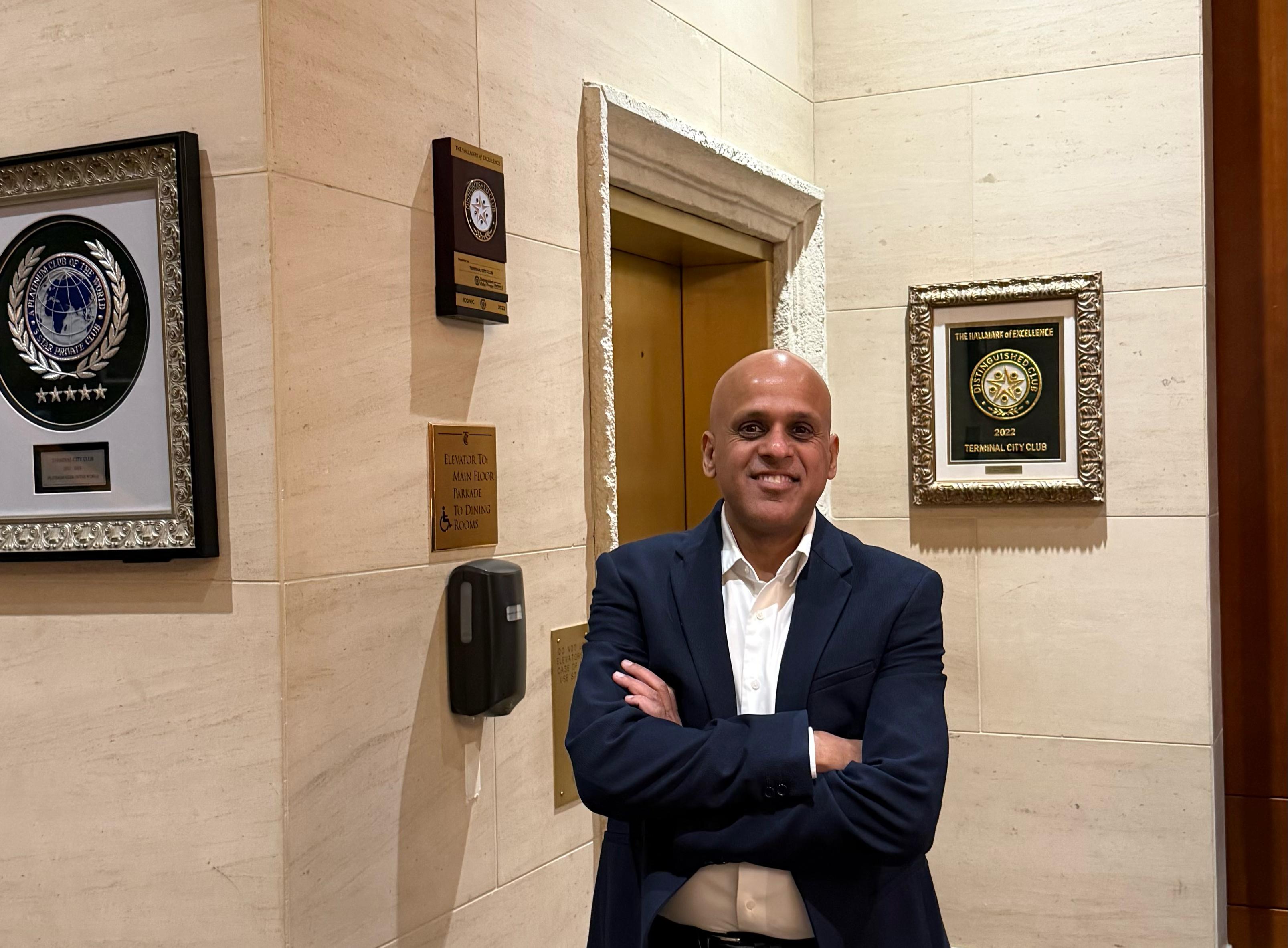
I am Manuj Aggarwal, an AI inventor and the founder of TetraNoodle Technologies. I have spent 30 years building systems for companies like IBM, Microsoft and T-Mobile. I am a named inventor on four AI patents, and I have published research in the Mensa Research Journal.
If you want the short definitions behind this essay, start with intelligence inflation, then read human general intelligence, nervous system agriculture and the AI poverty line. For the practical method, read How leaders use AI for better judgment. Take what is useful. Leave the rest. It is your call.
Questions people ask
What is intelligence inflation?
Intelligence inflation is a term Manuj Aggarwal uses to describe the fall in the value of intelligence as AI makes analysis, writing and other cognitive work abundant and cheap. People who stay in older habits, using AI to produce more reports and dashboards, see that value drop. The scarce work left is judgment: deciding what that abundant intelligence is for.
What does owning the land mean in this essay?
It is a historical parallel. When agriculture began, the people who owned land did well and the people who worked land they did not own stayed peasants. Today the parallel is owning your intelligence and the digital intelligence you build, and the judgment about what it is for, rather than only producing output for someone else.
Is this essay against using AI?
No. The advice is to use AI, and a lot of it, but not to confuse more output with more value. Use it for options, for the strongest case against your plan and for what you might be missing, then make the call yourself and keep human direction.
What is a quick test for whether I am refining or just producing more?
Before you ask a tool for another report, write down the decision the report is supposed to serve. If you cannot name the decision, you are mining more ore, not refining it. If you can, ask the tool for options and objections, then decide yourself.